
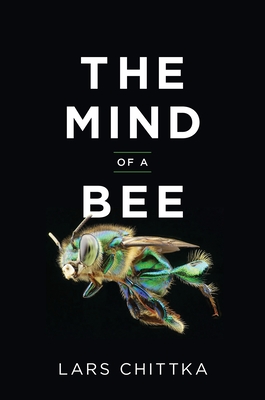
After finishing this book, I keep thinking about bees constantly. They are amazing, you know, with their own personalities and cognitive capacities. Their brains evolve to the task they will carry out (chicken or egg thing here, who knows. Though, for example, foragers’ brains grow larger before they leave the nest.) Some are morning bees. Others like to explore, and some stick to what they know. Queen bees never leave the nest and battle with other queens for their colony. Queen bees are fed differently, so their growth is altered with epigenetics. And here we are, sharing a planet with these guys. It is no wonder Aristotle was fascinated by bees. There is something so similar to our societies and how we organize things.
I have read several bee books before, but this one somehow told everything in a novel way and added to my existing knowledge. I’m in awe of this book. Okay, I’m not educated enough to critically evaluate what I read. So there might be issues with the facts, or the writer might have cherry-picked their data. Who knows. But I highly doubt that. What I know about neuroscience, anatomy, and bees, the scientific explanations were sound. (Ha, circular argument.) The book was easy to follow. It is well-written to such an extent that I kept seeing everything in images.
The book is about the mind of bees. How is their intelligence organized, and what does that mean like? For example, their brains are highly constructed around spatial data. They can navigate complex environments, remember things from earlier, learn new things, and use tools. The writer speculates more about why such abilities and their social behavior have evolved and backs it up with data. I loved this book a lot. I need to revisit it in the future as I have already forgotten half what I learned, and I do want to remember as I think bees tell a lot about why minds, intelligence, and social behavior have evolved at all.
Thank you for reading! Have a beetiful day ❤
 K.A. Ashcomb
0 comments on “Book Review: The Mind of a Bee by Lars Chittka”