
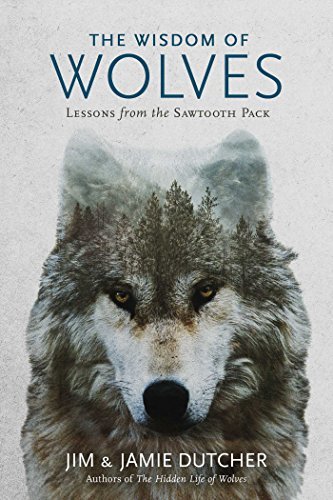
As long as I can remember, I have been scared of wolves. I have never seen one or been in a real threat of being near one, yet I still have recurring nightmares about wolves. And I think all the stories and animations I saw as a child portraying wolves as ferocious killers might be the reason for my nightmares. It’s hard to understand something you fear and even harder to protect them. So here we are, living in a world where the wolf population has declined, and they come more often in contact with humans as their habitat is diminishing. In my country, you have to have a permit to kill a wolf, and if you kill one unsanctioned, you will get a fine. That is not enough. Not when the other is seen as a monster in a public debate, and the government declines to increase the population size. Despite my fear, I have never seen killing wolves as a solution. Still, I can understand why someone would see that as a solution to protect their livestock and dogs. Yet, That would be a very shortsighted solution, not to mention the loss of innocent life: the wolf’s.
My views about wolves have started to change the more time I spend in the woods and the more I read about them. There’s no great danger as our stories tell of this ferocious killer lurking behind every tree, ready to hunt me down. The nightmares have subsided more so as I read Never Cry Wolf: The Amazing True Story of Life Among Arctic Wolves by Farley Mowat. That book and this one have shown me how caring, communal, and playful wolves are. Once again, it’s information that will set us free. I was amazed by the nature of wolves when reading The Wisdom of Wolves. The book portrayed a creature so like us capable of empathy, care, and love for each other, having the capacity for great curiosity and kindness. That’s not a monster.
Okay, a wolf is a wolf, and sometimes I thought this book anthropomorphized the wolves too much, but then I often think we are too quick to judge animals as some form of automata without emotions and consciousness. And I think the anthropomorphization seemed appropriate as this book is not only a story about wolves: the Sawtooth pack, but also a story about Jim and Jamie Dutcher and how their lives were shaped by living with the wolves and making a documentary about them.
The book recounts how Jim Dutcher set out to film the wolves. But filming wolves in the wild is difficult as they are ever so elusive. Also, Jim Dutcher wanted to dwell deep into the life of a wolf and its pack. So he formed a wolf pack of rescue wolves. He built a habitat for them in the Sawtooth Mountains surrounded by fences. (Hated by some of the locals.) The book is about setting up that habitat, living with the wolf pack, and what he and Jamie Dutcher learned about the wolves and their minds while observing them. There’s no way they can be scientifically objective, hence the slight tendency to anthropomorphize the wolves they learned to know, love, and respect individually. Yet here is the funny thing: we demand scientific rigor and see objectivity as a guarding against emotions, which cloud our judgment of reality, but without observation and experiencing the other, how little we would know and understand. Both from Jim’s and Jamie’s accounts, you could see that they understood the Sawtooth pack and had earned their respect and love to witness all aspects of being a wolf and being a wolf in a pack. The personal stories and thoughts made me less afraid of the wolves from my nightmares. They also made me disappointed at the stories we tell about wolves. How harmful they are.
Thank you for reading, and have a lovely day ❤
 K.A. Ashcomb
0 comments on “Book Review: The Wisdom of Wolves: Lessons from the Sawtooth Pack by Jim Dutcher and Jamie Dutcher”