
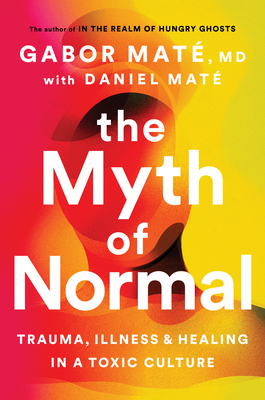
If you have ever read or listened to Gabor Maté speak, then you know what this book is about. This is an elaborated version of Maté’s arguments about why and how trauma affects the individual and the society and how society interplays with trauma. Maté draws examples from studies done and from his own life, bringing the subject alive and relevant.
The book is divided with the understanding what trauma is, the personal and the illnesses it brings forth, the traumatic society and how it affects the person, and lastly he proposes ways to cope with trauma and our modern society, which Maté proposes to produce trauma with its loss of values of meaningful life and what human existence means. He proposes that we have lost connection, autonomy, and meaning, and thus we are alienated and ill.
I have read several trauma books, and I have attended courses about the subject, so most of the arguments Maté proposes are familiar and echo the work of others. That said, I find the book a comprehensive argument about why trauma is ever so present in our modern day, why it is behind a vast amount of illnesses, and why it is present in women’s bodies more than in men’s.
Because I had read so much about the subject, I felt like I was somehow the wrong audience for the book. It affirmed a lot I knew already, so that’s always a good thing. Revisiting any subject is necessary for comprehension. There were two lines that resonated with me and got me thinking. One was about women with a stressful family environment growing biologically older because of the situation and thus suffering more cortisone-related diseases. I see this in my work and a lot, and I have been wondering if it’s some observation bias. The study Maté quoted confirmed that there’s some merit to my observations. Another line was about the loss of autonomy. It explains why we dull our senses and live with so many trivial things in a world of abundance. We feel like our voices and actions don’t matter in the grant scheme of things. We have no voice or power over the politics that make up our landscape. We are to be silent observers entertained by the irrelevant.
Thank you for reading! Have a wonderful day ❤
 K.A. Ashcomb
0 comments on “Book Review: The Myth of Normal: Trauma, Illness, and Healing in a Toxic Culture by Gabor Maté and Daniel Maté”