
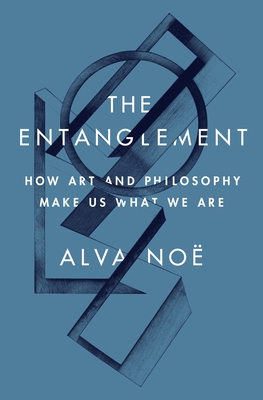
Alva Noë argues that art and philosophy elevate us, that they set us free from biology in a sense. The author draws examples of dance, poetry, and philosophy and how they interplay with who we are, what we do, and how we do things. Dance becomes more when you add a choreography to it. It is an interplay with the dancer, composer, and the watcher. I think you could sum up Alva Noë’s argument with that why he proposes that art and philosophy set us free and make us who we are. He also writes that humanities don’t fit into science because we humans are not a fitting subject to it. We are already a complex mystery with an eternal question of why we exist and why we have consciousness. It is not something science has a ready answer. It is something we search for through art and philosophy. However, we have sorrily given our meaning to science and quantity rather than poetry and the perfect movement of dancers.
This was an odd book to read. While the prose and argumentation were easy to follow, sometimes the words just slipped off, and you couldn’t catch them. They became like this babble you are not meant to incorporate—words for words’ sake. Still, I found the book entertaining and inspiring. It made me think about why we do what we do and what gives us meaning. More than ever, I feel like we have been rendered into nothing, that you and I are nothing more than numbers to fill the slot of our societies demands from us, and there’s no meaning behind it, no purpose. We are to consume and destroy, not create and build. And that’s why I find this book important. It reminds us where we can find meaning and who we are. It doesn’t have to be dance, poetry, or philosophy. It can be the art of discussion with a friend and the meaning created between the dialogue. To be pointed out, it is not the new dress, computer, or car that is the end goal. They can be part of the performance of our existence: theater play, typing a book, and the love of racing. In art and philosophy, we find ourselves. That, at least, has happened to me.
The trouble is that Alva Noë robs that away from us mere humans. He gives more meaning to the art created by the professionals, giving breadcrumbs to us mere mortals by stating in a sense that art imitates life and life imitates art. There is more to the ordinary craft than just that. The projects we do define who we are and want to be. It is our contribution to the world and our surroundings. Knitting wool socks to a loved one is like that dance. It has a design and function; it becomes an interplay between the user and the maker and is full of aesthetics. So I’m afraid I have to disagree with Alva Noë. Art is more than the definition of some art lecturer. In my opinion, art and philosophy can be found in the ordinary.
The book is an inspiring intellectual argument with flaws. It is the writer’s feast on the subject, both in good and bad—words for words’ sake—nevertheless, worth one’s time.
Thank you for reading the review! I have a wonderful weekend ❤


“There is more to the ordinary craft than just that. The projects we do define who we are and want to be. It is our contribution to the world and our surroundings. Knitting wool socks to a loved one is like that dance. It has a design and function; it becomes an interplay between the user and the maker and is full of aesthetics. … In my opinion, art and philosophy can be found in the ordinary.”
The most powerful insights are always about the most ordinary things. Also, when they can be personally applied they make us shout out loud ‘Damn right’. As I just did.
Scared the dog but I’m okay with that.
LikeLiked by 1 person