
Meadow
You never knew that there could exist as beautiful things as you now saw all over the house. You got glimpses of pearls, of fine hair brushes, and fabrics with so deep a color that it left nature in shame when you went around the manor, kindling fireplace after fireplace. The soot from the ashes colored your grayish dress a deeper gray, but you didn’t mind as long as you got to live under the roof and serve. It was better than what your sisters did. One worked at the newly rising factories and the other in the streets after being thrown out of another manor, like the one you worked at.
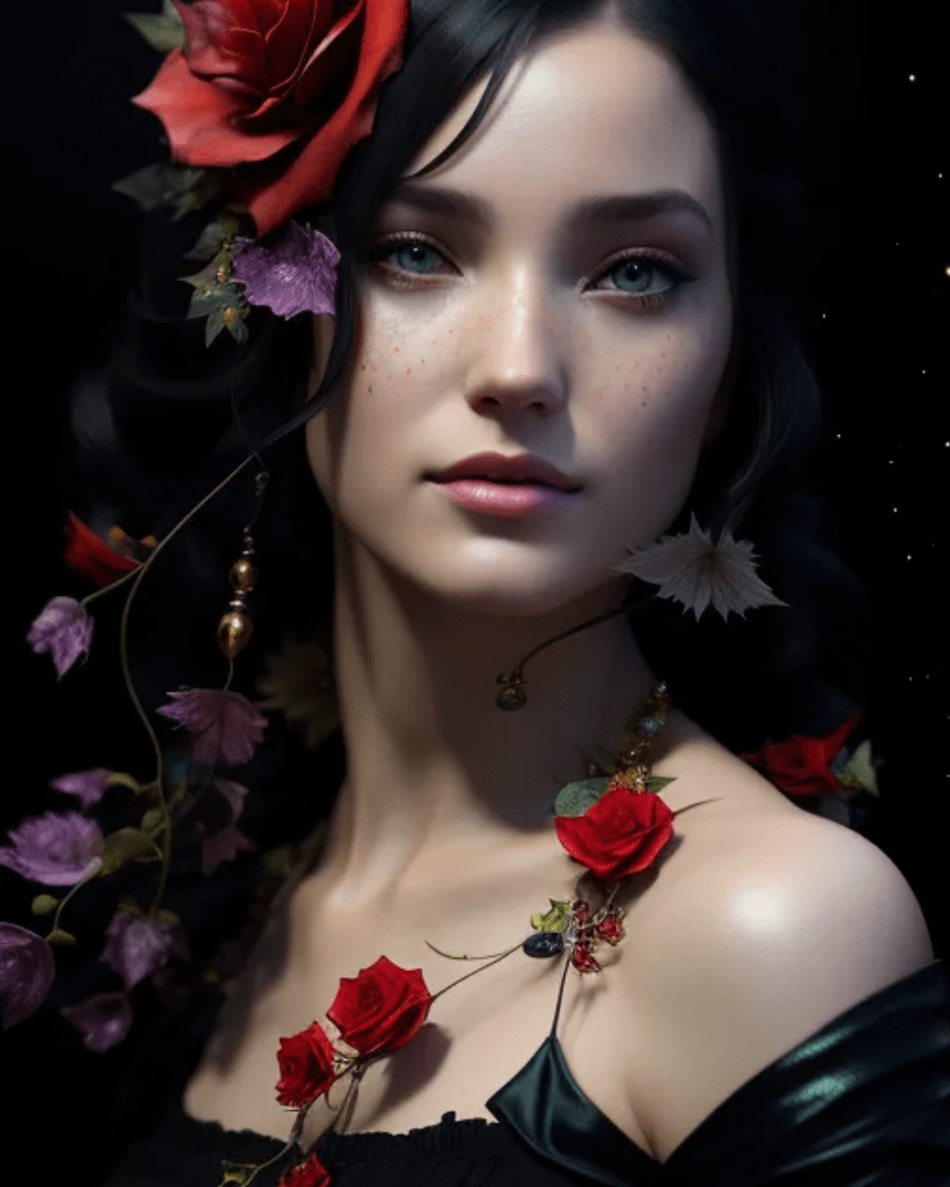
You kept your head down. You spoke little, if at all, but you looked and marveled. But beauty was never meant for you. Not even in passing. Not even when your hair was fine, and your eyes sparkled like the flowers of the meadows. The same eyes forced you out onto the streets. You caught the attention of the suitor of the daughter of the manor, and you were thrown out. Like so many of you, like your sister, like all who had done nothing wrong but had no voice to protest, you were to become a prostitute. It was the only way to eat and have a roof over your head. But unlike your sister, or like the others who thought service work was kind, you didn’t want that. You would rather starve yourself to death than sell your eyes and body for the men, for the suitors, whose advantages you had shut down.
You left the city. You took your steps into the darkness of the woods, thinking the land would provide. But there was no land to call free. All of it had been sold and given to the lords, who hunted anyone misstepping into their lands with their dogs. There were just the factory towers and the candlelit rooms and the doilies to be made—none of which you wanted. So instead you put your feet into the cold water, and watched the trout swim past you. You waited for nature to take you, so your eyes could return to the meadows as your own and not as the property and the whims of others. And nature always took the desperate into its bosom.
—
Sorry, there is no happy ending. But the thing is, Downton Abbey is not real. There was no kindness in the system. Many of those who were let go by the whims of the lords and ladies ended up selling themselves on the streets to scrape by. The staggering number of prostitutes at the time was a symptom of the inequality of places like Downton Abbey. We romanticize and twist history for movies and TV shows, and I fear that sometimes we fall victim to those fantasies, not knowing what it was really like or what the truth was. Good stories can alter the narrative and our memories. Mind you, Downton Abbey is and can be a fantastical show, but it justifies hierarchy and inequality. The studies show that those in power are less empathetic and less attuned to their intuition and bodily responses, which advocate pro-social behavior.
But anyway, today’s raffle was weird; it gave me period writing style and historical fiction together, which it never really does. The narrative was voyage-and-return, and the point of view was second-person. Sorry for letting you die.
Thank you for reading! Have a kind day full of compassion ❤


0 comments on “Day 36 Writing Short Stories”